
There was a time when I thought burnout only happened to people with 9-to-5 jobs. But in early 2024, after months of pushing myself academically and emotionally with little to no break, I found myself in a fog. I wasn’t sleeping well. I stopped replying to texts. Even things I loved—like music or writing—felt like chores. The pressure of expectations, deadlines, and figuring out my future had taken its toll.
I didn’t even plan to use gaming as a coping tool. It just happened.
I had always loved gaming, but during my burnout phase, I wasn’t playing to win or to compete. I just needed something to feel again. Something to escape the cycle of overthinking. That’s when I reinstalled Red Dead Redemption 2 on my PC—a game I hadn’t played since college started.
A Different Kind of Escape
For the uninitiated, Red Dead Redemption 2 is more than just a cowboy shooter. It’s a world. A place where you can ride for hours across vast plains, fish by a quiet lake, or just sit around a fire with your in-game gang listening to banter. I found myself logging in just to exist in that world.
It wasn’t the action-packed missions that helped me most—it was the mundane things. I’d spend 30 minutes just grooming my horse or watching the sun rise over a river in the game. That sense of stillness, of control, gave me something I didn’t realize I was missing: peace.
Gaming Without Pressure
In the past, I was always chasing K/D ratios in Valorant or wins in Apex Legends. But burnout taught me to value a different kind of gameplay—one that didn’t stress me out further. That’s when I also picked up Skyrim again. I modded it heavily, not to make it harder, but to make it mine. I added calming ambient sounds, new scenery mods, and quests I hadn’t tried before.
I began setting tiny goals in the game: explore a new cave, decorate my home, craft a new sword. Small things. Achievable things. And in a weird way, they mirrored what I couldn’t do in real life at the time. It reminded me that progress—even in pixels—is still progress.
The Mental Health Boost
There’s a strange stigma that gaming is unproductive. And sure, if you play 16 hours a day and forget to eat, that’s not healthy. But when done right, gaming is therapy. Science backs this too—numerous studies have shown that certain types of games can reduce cortisol levels (your stress hormone), improve mood, and even offer social support when played online.
For me, PC gaming gave me back my focus and routine. I started logging in every night for an hour. No distractions. No social media. Just me and the world on my screen. Slowly, I noticed my mind starting to heal. I began sleeping better. My anxiety attacks reduced. And even though my real-life problems didn’t vanish, I had found something that helped me manage them better.
Rediscovering Myself
A few months later, I felt like a new person. More grounded. More in control. Gaming helped me process my burnout not by ignoring it, but by giving me space to breathe, reset, and rebuild.
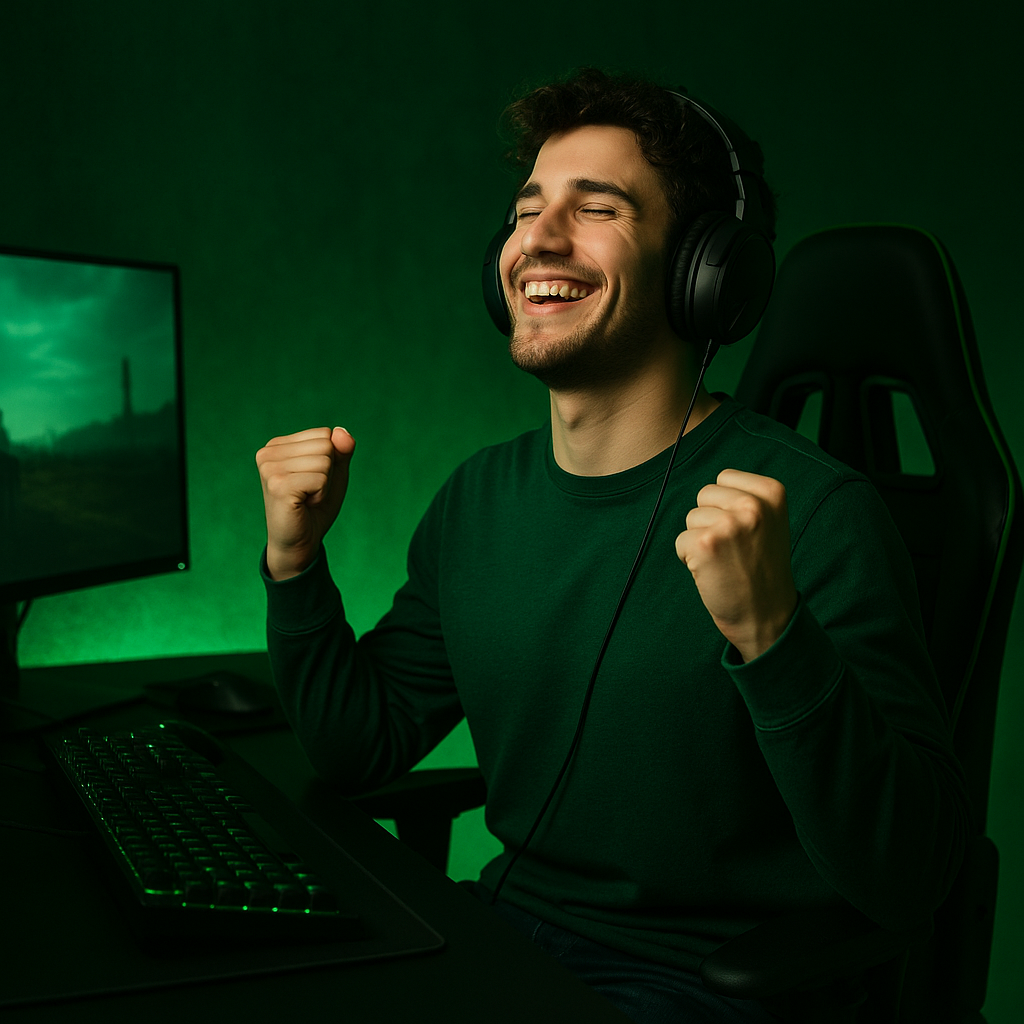
Even today, when I feel overwhelmed, I don’t always turn to people or therapy (though those are great). Sometimes, I just boot up a game, put on my headset, and lose myself in a different world for a while. It’s not about escape—it’s about alignment. Finding your pace again.
Final Thoughts
I’m not saying gaming will solve all your problems. But I am saying that for some of us, gaming isn’t just a hobby—it’s a lifeline. It’s a way to reconnect with joy when life becomes too loud. If you’ve been feeling off lately, maybe give it a try. And not to prove something or win big. Just to be.
Sometimes, that’s more than enough.