
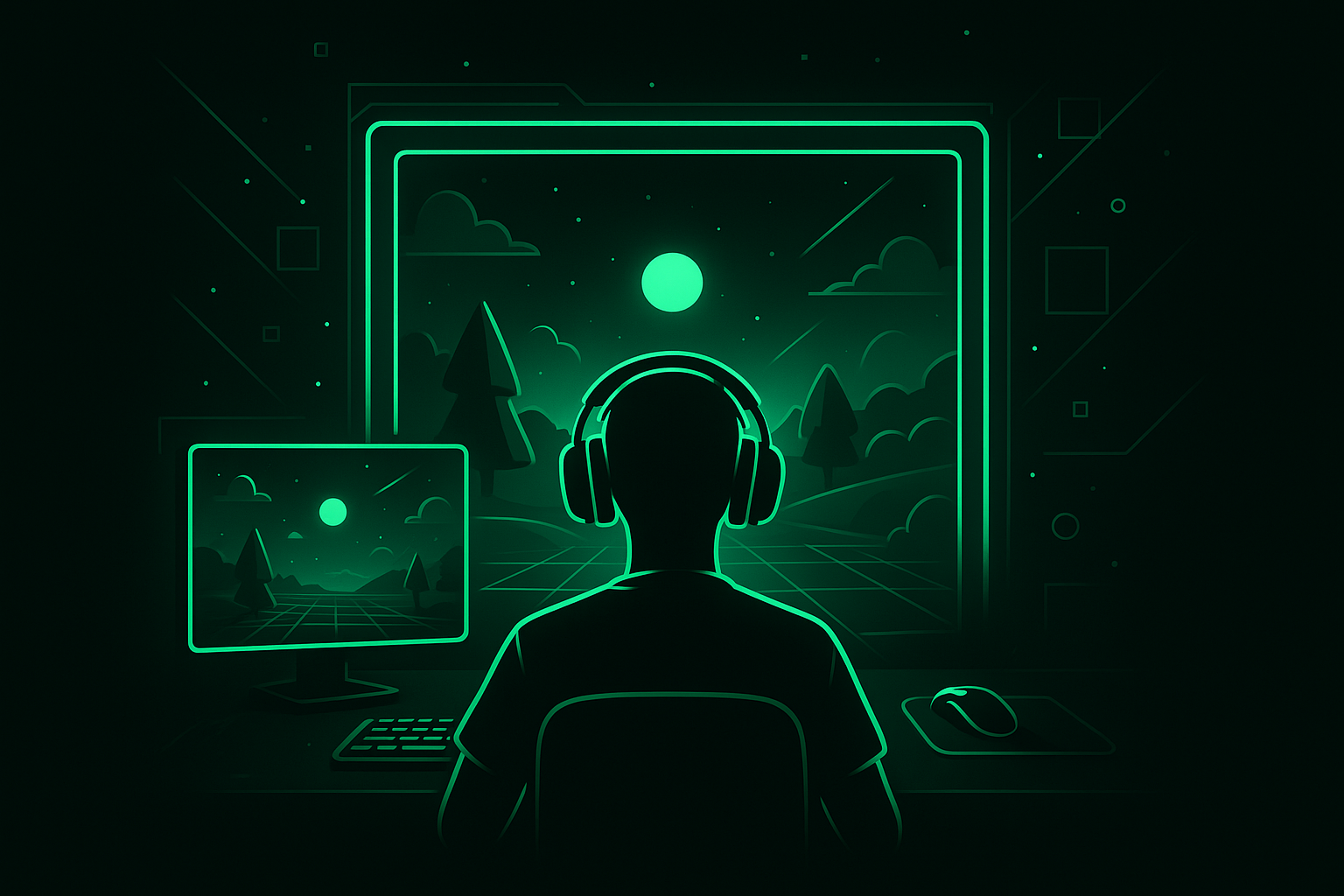
Not too long ago, social media meant scrolling endlessly through feeds on Facebook, Instagram, or Twitter (well, X now). Today, things are shifting. People aren’t just connecting through likes, comments, and emojis anymore—they’re stepping into virtual worlds where friendships, communities, and even entire economies exist. Gaming has been at the heart of this transformation, and it’s clear that virtual worlds are fast becoming the new social media.
The Social Side of Gaming
Games have always been social, from split-screen Mario Kart to LAN parties in the early 2000s. But now, virtual spaces like Fortnite, Roblox, and Minecraft are no longer just about “playing.” They’ve evolved into digital hangouts. Players don’t just log in to fight or build—they log in to chill with friends, attend events, or just vibe online.
Take Fortnite for example. What started as a battle royale shooter now hosts concerts from stars like Travis Scott and Ariana Grande, drawing millions of live viewers. In these moments, the game isn’t a game anymore—it’s a social platform.
Avatars as the New Profile Pictures
On Instagram, you show your life through curated selfies. In virtual worlds, you do it through your avatar. Your skin in Fortnite, your character design in Roblox, or the outfit your hero rocks in MMORPGs—these have become the new digital flex. It’s personalization at a level that static profile pics could never reach.
The best part? Avatars evolve with you. Today’s generation is building identities that live inside games—and for many, that feels more real than anything on traditional social media.
Events, Hangouts, and Communities
In virtual worlds, community doesn’t form around posts—it forms around shared experiences. Friends jump into GTA Online not just for missions, but to drive around, race, or just talk nonsense. Meanwhile, platforms like VRChat take it further, creating fully immersive “digital meetups” where people gather, explore, and interact in real-time.
For Gen Z and Gen Alpha, these worlds are the new parks, cafes, and concert halls. Why scroll when you can experience?
The Rise of the Metaverse
When people talk about the metaverse, this is what they mean—a blend of gaming, socializing, and digital living. Companies like Meta (ironically named) and Epic Games are investing billions to make this future real. The idea is simple: instead of browsing a feed, you’ll step into a 3D universe where your friends are already hanging out.
We’re already seeing it in action. Roblox has become a platform where players not only socialize but also create and sell experiences. It’s part game, part social hub, part economy.
Why Virtual Worlds Beat Traditional Social Media
-
Immersion – Instead of scrolling, you live the experience.
-
Identity – Avatars allow for self-expression beyond photos.
-
Community – Shared gameplay bonds are stronger than likes.
-
Interactivity – You don’t just consume; you actively participate.
Compared to endless scrolling and doom-posting, virtual worlds feel alive. They don’t just connect you to content—they connect you to people.
Final Thoughts
Traditional social media isn’t disappearing anytime soon, but the shift is undeniable. Younger generations are spending less time on feeds and more time in Minecraft servers, Fortnite lobbies, and VRChat worlds.
Virtual worlds are no longer just games—they’re social platforms, cultural hubs, and even economies. The next big “social media” revolution won’t happen on an app—it’ll happen in a game. And the question isn’t whether virtual worlds will replace social media, but whether we’ll even remember the old ways once we’re fully immersed in the new.